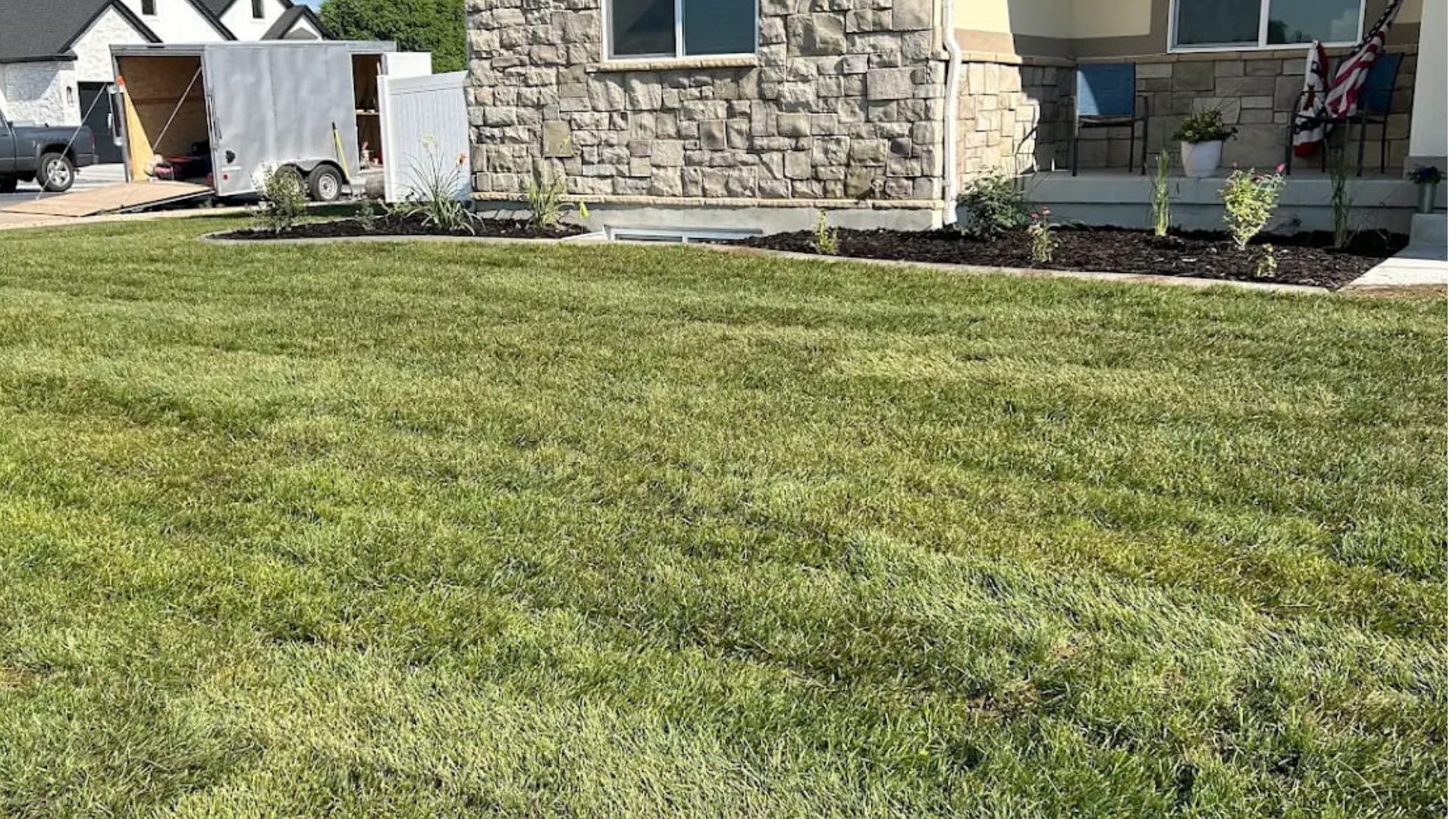
Lawn Care in West Point, UT: How the Process Actually Works from May Through Fall
Properties along the Farmington Bay corridor, including those throughout West Point, UT, sit on some of the most challenging soil profiles in northern Utah. The ground here tends to be dense, alkaline clay, left behind by ancient Lake Bonneville, and that composition affects nearly every decision we make in a lawn care program. If you’ve noticed your grass thinning out mid-summer, struggling to green up in spring, or developing patchy areas that don’t respond to watering, the soil is usually the starting point for that conversation. Lawn care West Point is not a one-size-fits-all category, and understanding why starts with the ground beneath your turf.
What a Lawn Care Program Actually Includes
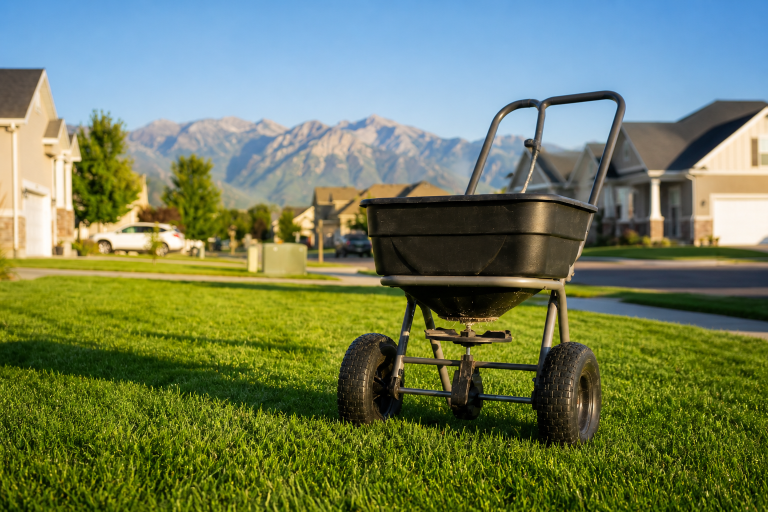
A lot of homeowners assume lawn care means mowing. Mowing is part of it, but it’s closer to the baseline than the full picture. A complete landscape maintenance program covers mowing at the right height and frequency, edging along beds and hardscape, fertilization timed to the soil’s nutrient cycle, weed control applied before and after germination, and periodic aeration to break up compaction. Each of those tasks connects to the others. If you fertilize without aerating compacted clay, the nutrients sit near the surface instead of reaching the root zone. If you mow too short during a heat spike in July, you stress the grass before it has the reserves to recover.
We also look at how the lawn is receiving water. An irrigation system that’s running on the wrong schedule, or that has heads throwing water unevenly, can create dry patches that look like disease or pest damage. We often coordinate irrigation services alongside lawn care programs because the two are directly connected. A well-designed watering schedule in West Point looks different than one in a city with sandier soil and less evaporation pressure.
Why Lawn Care West Point Requires a Different Approach Than Other Areas
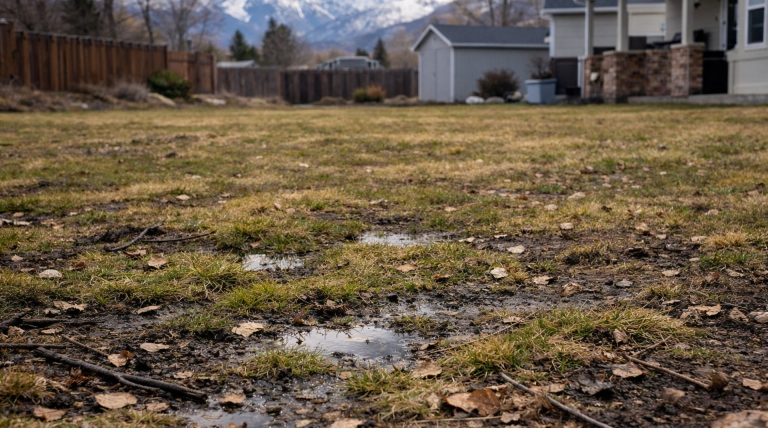
The clay content in West Point soil creates two competing problems. In spring, the ground holds moisture for a long time, which can keep soil temperatures low and delay turf green-up even after air temperatures climb. In summer, that same clay bakes hard and sheds water rather than absorbing it. Grass roots have a narrow window to establish depth before the soil tightens up.
Soil pH is the other major factor. Most turf in this area is growing in soil that runs alkaline, often between 7.5 and 8.2. At that pH range, iron and manganese become less available to the plant even when those nutrients are physically present in the soil. That’s why you see lawns here that look yellowish or washed out despite regular fertilization. The fertilizer isn’t the problem. The soil chemistry is limiting uptake. We account for this in how we build fertilization programs, incorporating iron treatments and soil amendments that work with the alkaline baseline rather than ignoring it. Our post on lawn fertilization timing in West Point goes deeper on this if you want the full breakdown.
Wind is also a real factor out here. Properties closer to the open land west of I-15 experience more desiccation in late spring and early fall, which speeds up soil moisture loss and can dry out grass crowns faster than homeowners expect. We adjust mowing height and watering recommendations accordingly.
What to Expect During the Season
By mid-May, which is where we are right now, a well-managed lawn in West Point should already have its first round of pre-emergent weed control down and at least one fertilizer application in the ground. If those steps haven’t happened yet, the window for preventing summer annual weeds like crabgrass is closing. That doesn’t mean the season is lost, but it does mean the program shifts toward post-emergent control and more reactive management.
From May through July, the primary focus is consistent mowing at the right height, typically 3 to 3.5 inches for Kentucky bluegrass, which is the dominant turf type here, along with irrigation monitoring and a second fertilizer application timed around the early summer growth flush. Core aeration typically happens in late summer or early fall, when the soil is dry enough to pull clean plugs but the turf still has time to recover before dormancy. We pair aeration with overseeding on lawns that have thin areas, using seed varieties that perform well in this climate. If you’re curious about how sod fits into the picture for more severely damaged areas, our sod installation guide covers what that process looks like locally.
How to Know When Your Lawn Needs More Than Basic Maintenance
There are a few signs that a lawn has moved past what a standard mowing and fertilization schedule can fix. Persistent thin or bare patches that don’t fill in after a full season usually indicate either a soil problem, a drainage issue, or a disease that hasn’t been identified. Lawns that stay yellow despite regular watering and fertilization often have a pH or compaction problem that needs to be addressed at the soil level before surface treatments will have any effect.
Heavy thatch buildup, which is common in lawns that have been over-fertilized with nitrogen over several years, can create a spongy surface layer that blocks water and air from reaching roots. We assess thatch depth during our initial evaluation and factor it into the program design. If the thatch layer is significant, dethatching or aggressive aeration becomes a priority before anything else.
For properties where the lawn issues connect to broader grading or drainage problems, our landscaping services and yard grading work often run parallel to the turf program. Standing water and poor slope are behind more lawn failures in this area than most homeowners realize.
If you’re putting together a lawn care West Point program for the first time, or reassessing one that hasn’t been producing results, the best place to start is an honest look at your soil conditions and what the turf has been through over the past few seasons. A good lawn care West Point evaluation covers soil compaction, pH, thatch depth, and irrigation coverage before any treatments are recommended. We also serve properties in West Haven and Farmington with the same approach. Reach out through our contact page and we can walk through what your lawn actually needs before the heat of summer sets in.