February Lawn Prep in Utah: Getting Ahead of Spring
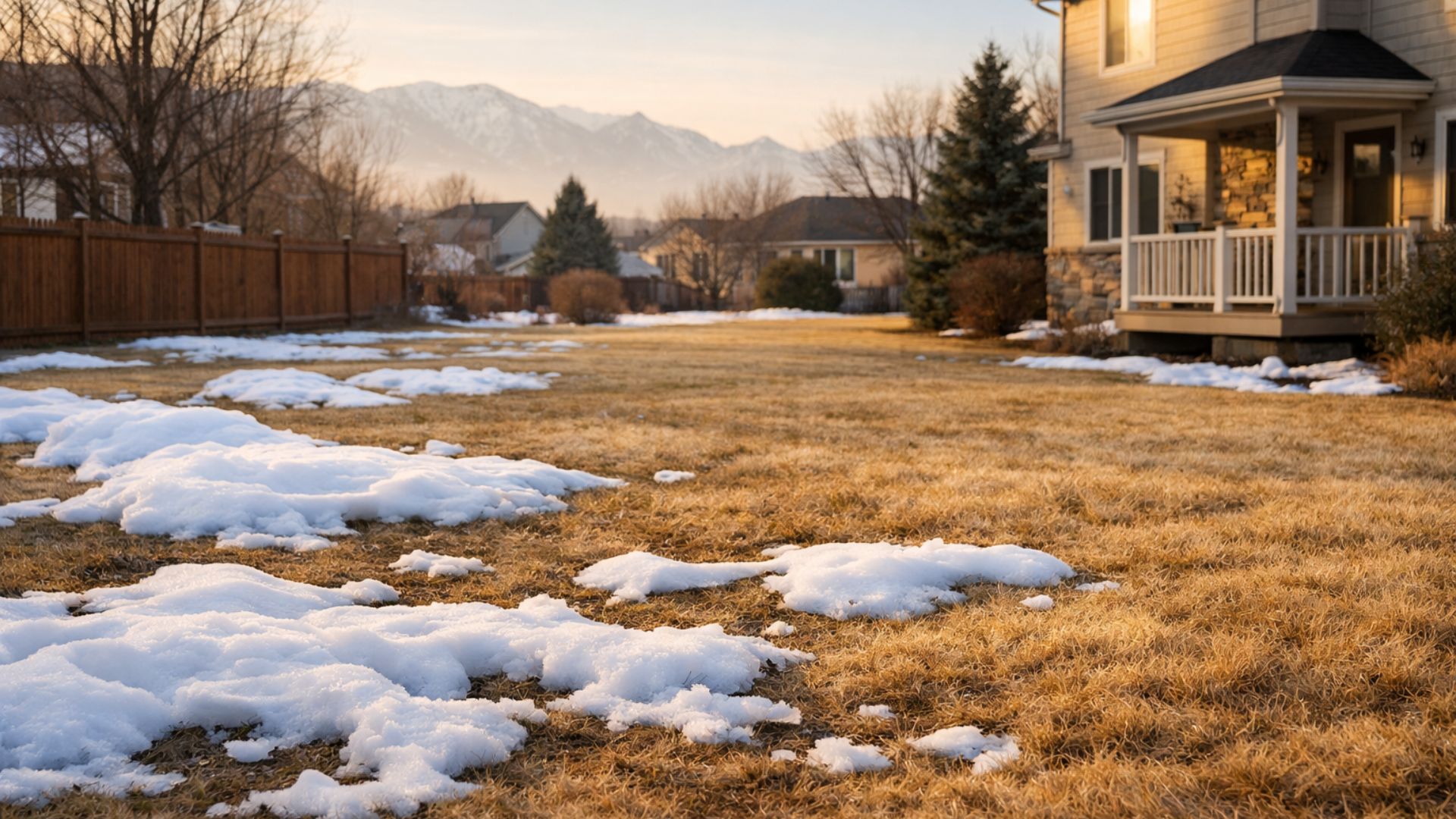
February in northern Utah doesn’t feel like spring. We’re still dealing with freeze-thaw cycles, the occasional snowstorm, and mornings that remind you winter isn’t done yet. But here’s what most homeowners don’t realize: the decisions you make this month directly impact how your lawn performs when the growing season finally kicks in.
We’ve seen it countless times across Kaysville, Layton, and Syracuse. The lawns that thrive in May and June? They’re the ones that got attention in February. The ones battling crabgrass all summer? Their owners waited until April to think about lawn care.
Late winter is when smart lawn prep happens. Not the visible stuff (you won’t be mowing or planting yet), but the foundational work that sets up everything else. This is your window to get ahead, and it closes faster than you’d think.
Why February Matters for Your Utah Lawn
Our northern Utah climate sits in USDA Zone 5-6, which means we get a unique set of conditions that make February critical. Soil temperatures are still cold, typically in the 30s to low 40s, but they’re rising. Daylight is increasing. And most importantly, weed seeds are preparing to germinate.
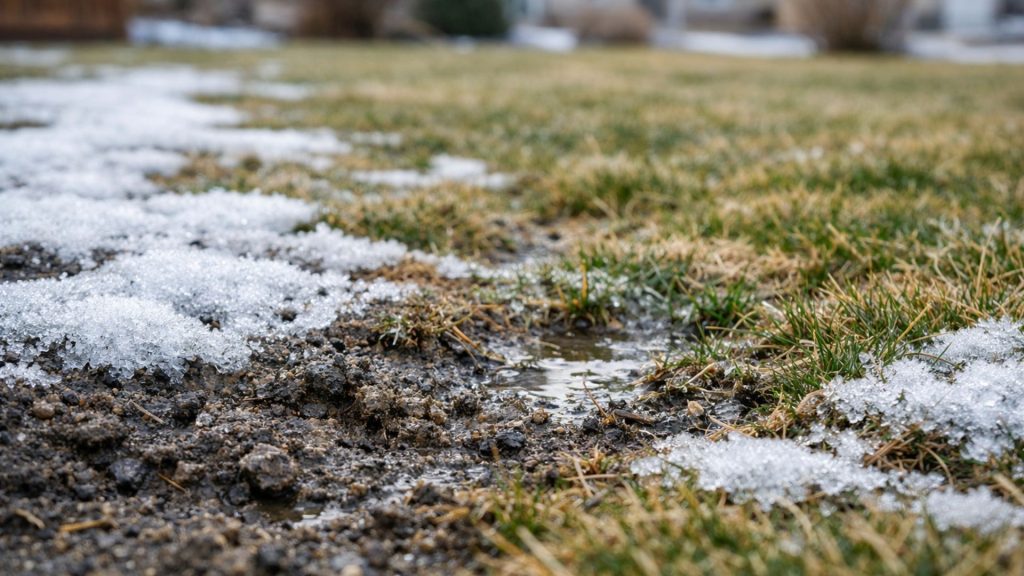
The clay-heavy soil common throughout West Point, Farmington, and Hooper holds moisture differently than other regions. When those freeze-thaw cycles happen, they create soil compaction issues that need addressing before the growing season starts. Wait until the ground fully thaws and you’re playing catch-up.
Here’s the reality: pre-emergent herbicides need to go down before soil temperatures hit 55°F consistently. In our area, that typically happens in mid-to-late March. Miss that window, and you’re fighting weeds reactively instead of preventing them proactively.
Pre-Emergent Timing: The Most Important Decision You’ll Make This Month
Let’s talk about pre-emergent herbicides, because this is where we see homeowners make the most costly mistakes.
Pre-emergent doesn’t kill existing weeds. It creates a barrier in the soil that prevents weed seeds from germinating. Think of it as a security system that needs to be installed before the burglars show up. The most common weeds it targets (crabgrass, foxtail, and chickweed) start germinating when soil temperatures reach 55°F for several consecutive days. Our lawn care services include pre-emergent applications timed to local soil conditions so you’re protected before that window closes.
When to Apply Pre-Emergent in Northern Utah
For the Davis County area and surrounding communities, here’s what our application timeline typically looks like:
Late February to early March: This is the ideal window for initial pre-emergent application. You want the product in place before those soil temperatures start climbing consistently. We’re usually targeting the last week of February through the first two weeks of March, depending on what the weather’s doing that particular year.
Soil temperature matters more than calendar dates. Some Februarys are mild and we’re applying earlier. Others stay cold and we push into March. You can check soil temperatures with an inexpensive soil thermometer, or watch for natural indicators: when forsythia bushes start blooming, soil temps are approaching that critical 55°F threshold.
What About Overseeding?
Here’s where it gets tricky. Pre-emergent herbicides don’t discriminate. They prevent all seeds from germinating, including grass seed. If you’re planning to overseed or slice seed this spring, you need to make a choice.
Either apply pre-emergent and wait 8-12 weeks before seeding, or seed first and skip pre-emergent in those areas. There’s no perfect solution, but for most established lawns in West Haven and Clinton dealing with persistent weed pressure, pre-emergent protection is worth more than a spring overseeding that might struggle anyway in our late-spring heat.
If your lawn has thin areas that need attention, late summer is actually the better time for overseeding in Utah. The cooler temperatures and reduced weed competition give new grass a much better shot at establishing.
Equipment Maintenance You Shouldn’t Skip
Your mower, trimmer, and other equipment have been sitting for months. Starting the season with poorly maintained equipment is like trying to run a race in shoes that don’t fit. You’ll get through it, but not well.
Mower Tune-Up Checklist
February is the perfect time for mower maintenance because repair shops aren’t slammed yet. Come April, you’ll be waiting weeks for service.
Change the oil and oil filter. Old oil has contaminants and moisture from last season. Fresh oil protects your engine and ensures reliable starting when you need it.
Replace the air filter. A clogged air filter reduces power and fuel efficiency. They’re inexpensive and make a noticeable difference.
Sharpen or replace the blade. Dull blades tear grass instead of cutting it cleanly, leaving ragged edges that turn brown and make your lawn more susceptible to disease. We see this constantly: homeowners wondering why their lawn looks stressed when really it’s just being mauled by a dull blade.
Check the spark plug. If it’s fouled or corroded, replace it. A new spark plug costs a few dollars and can prevent a lot of frustration when you’re trying to start your mower on the first warm day of spring.
Inspect belts and cables. Look for cracks, fraying, or excessive wear. Better to replace a $15 belt now than have it snap mid-season.
Irrigation System Assessment
If you have an irrigation system (and most properties in Layton, Syracuse, and Plain City do), February is when you should be thinking about spring startup, even though you won’t actually turn it on for another 6-8 weeks.
Walk your property and check for visible damage: broken sprinkler heads, shifted or sunken heads, or areas where winter frost heave might have affected lines. Mark these spots now so they can be addressed during your spring startup. Our irrigation services team handles everything from system startups to repairs and full installations across northern Utah.
Our team typically schedules irrigation startups for mid-to-late April in this area, after the last freeze risk has passed but before lawns really need supplemental water. Getting on the calendar early means you’re not scrambling in late April when everyone suddenly remembers their irrigation exists.
Lawn Assessment: What to Look for Right Now
Even under snow cover or dormant grass, you can learn a lot about your lawn’s condition in February. On days when the ground is visible, take a walk around your property with a critical eye.
Problem Areas to Identify
Bare or thin spots: These are obvious candidates for attention, but remember what we discussed about pre-emergent timing. If these areas need serious renovation, you might be better served waiting until late summer for seeding.
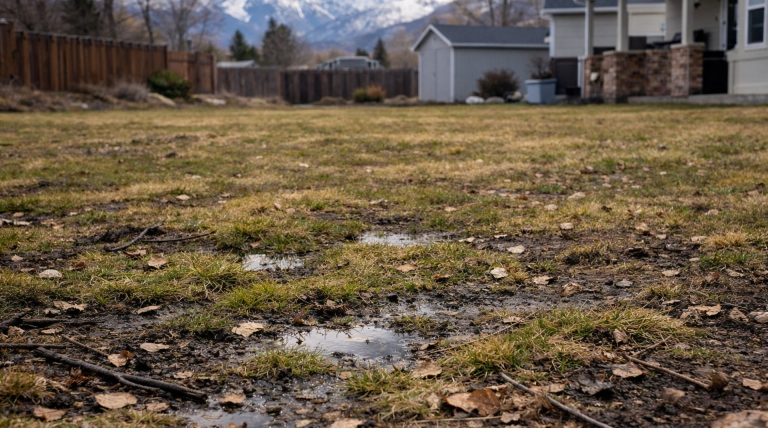
Drainage issues: Do you see standing water after snow melt or winter rain? These areas will only get worse during spring storms. French drains or grading work needs to happen before the growing season starts, while the ground is accessible and landscaping work won’t disrupt established turf.
Compacted soil: High-traffic areas, spots where heavy snow was piled, or places where equipment sat all winter will have compacted soil. Core aeration in early April helps tremendously, but identifying these areas now lets you plan accordingly. Our landscape maintenance services include seasonal aeration and turf care designed to keep your lawn healthy from the ground up.
Winter damage to plants: Walk your landscape beds and check shrubs and perennials. Winter burn, broken branches from snow load, or animal damage should be noted. Late February to early March is typically when we schedule pruning and trimming work, before plants break dormancy. Our plant and tree services cover late-winter pruning, damaged tree assessment, and bed preparation ahead of the growing season.
Soil Testing: The Foundation of Smart Lawn Care
This isn’t the most exciting topic, but soil testing in February or early March gives you actionable information for the entire season ahead.
Utah State University Extension offers affordable soil testing that tells you pH levels, nutrient deficiencies, and organic matter content. That clay soil we mentioned earlier? It typically runs alkaline in our area, which affects nutrient availability. Without knowing your actual pH, you’re guessing at what your lawn needs.
Test results take a few weeks to come back, which means February testing gives you answers in time to adjust your spring fertilization plan. Maybe your soil is deficient in phosphorus but loaded with potassium. That changes what products you should use.
We run soil tests regularly across properties in West Point and Farmington, and the results vary more than you’d expect even within the same neighborhood. Don’t assume your lawn needs the same thing as your neighbor’s.
Why We’re Already Planning Spring Cleanups
Our schedule for spring cleanup work typically fills up by mid-March. That’s not a sales pitch. It’s logistics.
Spring cleanup includes all the winter debris removal, bed edging, mulch or rock installation, pruning, and initial fertilization work that prepares properties for the growing season. There’s a narrow window when conditions are right: the ground has thawed enough to work but grass hasn’t started actively growing yet.
For most properties in Hooper, Clinton, and surrounding areas, that window runs from late March through mid-April. It’s a few weeks to handle what hundreds of homeowners all need done at the same time.
If you want your property cleaned up and ready before everything leafs out and starts growing, February is when you need to be getting on schedules. The homeowners who wait until they see their first dandelion? They’re usually looking at late April or early May service dates, which means they’re behind from the start.
Planning Landscape Projects Before the Rush
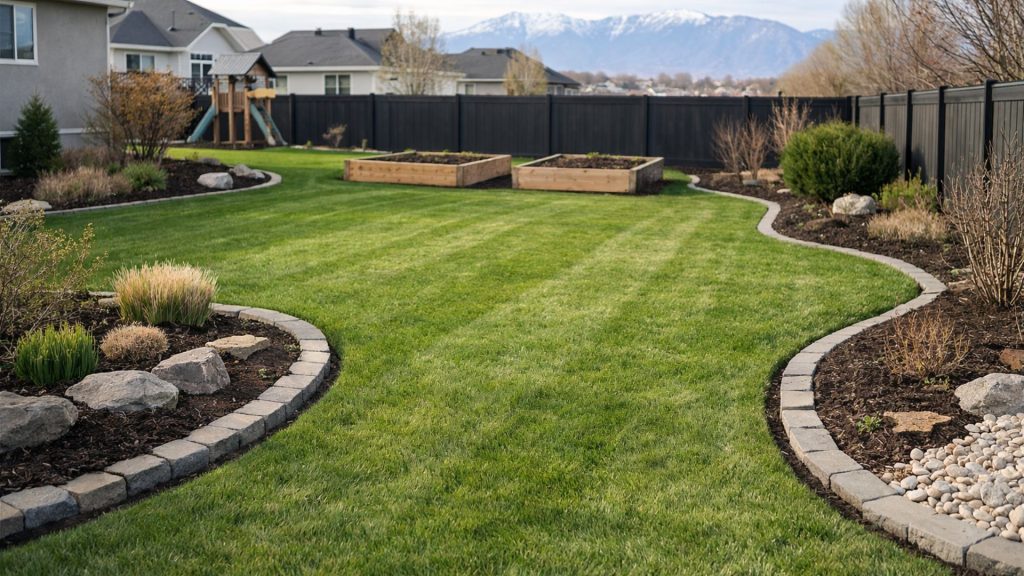
Maybe you’ve been thinking about that new patio, a fire pit area, or drainage solutions for the soggy corner of your yard. February is prime planning time.
Design work, material selection, permit applications if needed, and contractor scheduling all take time. Projects that get planned now can often be executed in April or early May, giving you the full season to enjoy them. Projects that get planned in April? You’re likely looking at June or July installation.
Our full-service landscaping team has designed and installed everything from complete outdoor renovations to xeriscaping projects across the greater Davis County area. The projects that go smoothest are the ones where planning happened early and installation was scheduled before the real crunch hit.
Hardscaping work including patios, walkways, retaining walls, and outdoor kitchens all benefits from getting done before peak growing season when you’re trying to preserve and protect established turf and plants.
February might not feel like lawn season, but it’s when lawn season really begins. The pre-emergent decisions, equipment prep, and property assessment you do now create the foundation for everything that follows.
If you’re in West Haven, Farmington, or anywhere in the northern Utah area and want to make sure your property gets the right attention at the right time, we’d be happy to talk through your specific situation. Learn more about who we are and why homeowners across northern Utah trust us with their outdoor spaces. We’ve been helping homeowners turn their outdoor ideas into reality since 2023, and we approach every property with the same goal: honest service that actually makes sense for your landscape and your budget.
Give us a call at (385) 503-5266 or visit our website to discuss what your lawn and landscape need this season. The lawns that look great in July are the ones that got smart attention in February.