Winter Landscape Planning Guide for Northern Utah Homeowners
January in northern Utah means something important for your yard: breathing room.
The holiday lights are down. The decorations are packed away. Your weekends aren’t crammed with outdoor projects anymore. And that makes right now the absolute best time to think about what you want your outdoor space to look like come spring.
We know it sounds counterintuitive. Your lawn is dormant under a layer of snow. Your garden beds are frozen solid. But here’s the thing—while everything outside is taking a break, the homeowners who use this downtime to plan and book their landscape projects end up with better results, better timing, and honestly, less stress when the busy season hits.
Let’s talk about how to make the most of January for your yard, how to prevent the winter damage we see constantly across Farmington, Kaysville, and Layton, and why booking your landscape services now sets you up for success all year long.
Why January Is Prime Planning Season in Northern Utah
The ground might be frozen, but landscape companies aren’t hibernating. January through early March is when we sit down with homeowners to design projects, schedule installations, and lock in spring service dates.
Here’s what most people don’t realize: the best landscape crews book up fast. By the time April rolls around and everyone suddenly wants their irrigation system started up or their spring cleanup done, we’re already working off schedules that were set months earlier.
When you plan in January, you get first choice of dates. You have time to think through design decisions without rushing. And if you’re tackling a bigger project—like a new patio, retaining wall, or outdoor kitchen—you can space out the work in a way that makes sense for your budget and timeline.
Plus, you’re making these decisions with a clear head, not in a panic because your sprinkler system just flooded your basement or your tree is dropping branches after a heavy snow.
Preventing Winter Damage Before It Becomes a Spring Nightmare
Let’s address what’s happening to your landscape right now, because January isn’t just about planning—it’s about protecting what you already have.
Snow Load on Trees and Shrubs
Heavy, wet snow is beautiful until it snaps a thirty-year-old pine branch. We see this every single winter across West Haven and Plain City.
If you’ve got trees or shrubs bending under snow weight, gently brush off what you can reach with a broom. Don’t shake branches or try to chip off ice—you’ll do more harm than good. For larger trees where you can’t safely reach, just keep an eye on them. Document any damage with photos so you know what needs attention once things thaw.
Some branches might have micro-cracks that won’t be obvious until spring. That’s when you’ll want to schedule professional pruning and tree care to prevent disease from entering those wounds.
Ice Dams and Drainage Issues
See ice building up along your roofline or water pooling in weird spots when we get those January thaws? That’s your landscape trying to tell you something about drainage.
Northern Utah’s freeze-thaw cycles are brutal on drainage systems. Water freezes, expands, shifts soil, and creates new low spots where water collects. Then it freezes again. It’s a cycle that worsens existing drainage problems and creates new ones.
Make notes now about where you’re seeing issues. Take pictures. When we meet with homeowners in February or March to discuss drainage solutions—French drains, regrading, or adding channel drains—having that winter documentation makes the project planning much more accurate.
Salt Damage to Your Lawn and Plants
Every driveway, walkway, and street in Syracuse and Clinton gets hit with deicing salt all winter. That salt doesn’t just disappear. It soaks into your soil and burns grass roots and plant tissue.
You can’t do much about it right now, but you can plan for remediation. If you’ve got grass or plantings right along hardscapes where salt gets heavy, those areas might need soil amendments, fresh topsoil, or even replacement plantings come spring.
Mark the areas that get the worst salt exposure. When spring arrives, our lawn care team can test your soil and recommend whether you need gypsum applications to neutralize salt, or if you’re better off considering salt-tolerant plants in those spots going forward.
Rodent Activity Under Snow
Voles and mice are active all winter under that snow cover, and they’re chewing on tree bark and plant roots where you can’t see them. You won’t know the extent of the damage until snowmelt.
If you spot tracks or tunnels when snow recedes a bit, pay attention to which trees and shrubs are in those areas. Girdled bark (where rodents chew all the way around a trunk) can kill even established trees. Early detection in spring means we might be able to save the plant with proper treatment.
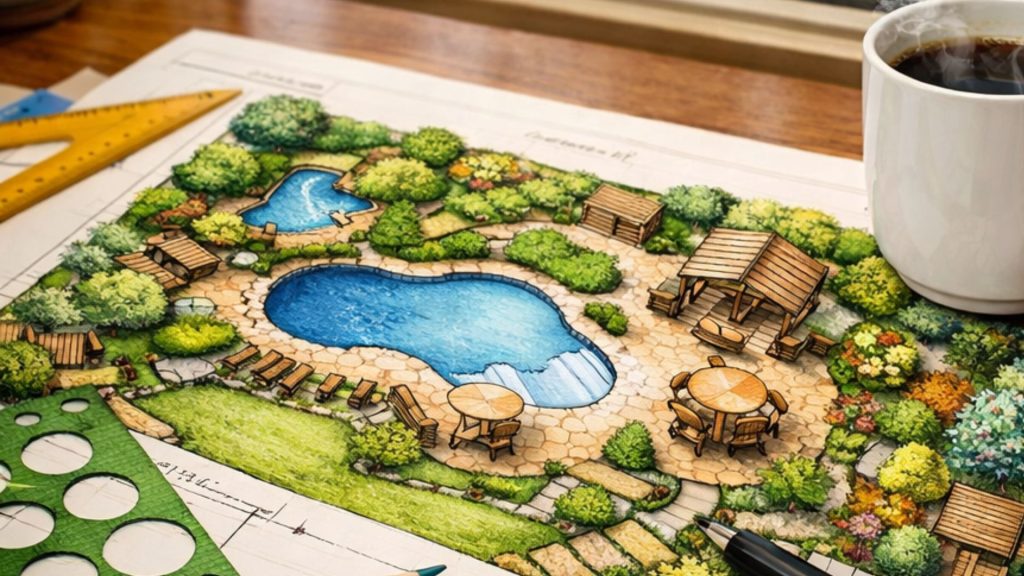
Mapping Out Your 2026 Landscape Projects
Now for the fun part—deciding what you actually want to tackle this year.
Grab a notepad and walk your property, even if it’s cold. Look at your yard with fresh eyes. What frustrated you last summer? What do you wish you had? What’s just plain ugly?
Smart Project Timing for Our Climate
Not all landscape work happens at the same time, and sequencing matters. Here’s how projects typically flow in northern Utah:
March-April: Pruning, spring cleanup and landscape maintenance, irrigation startup, soil preparation, early drainage work
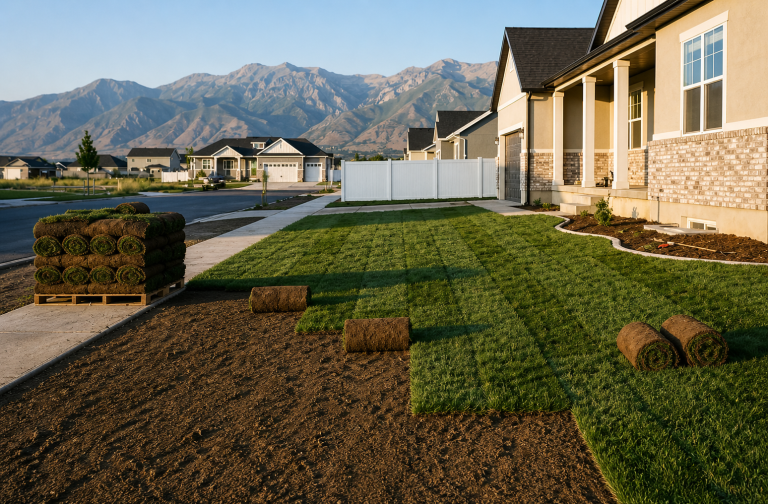
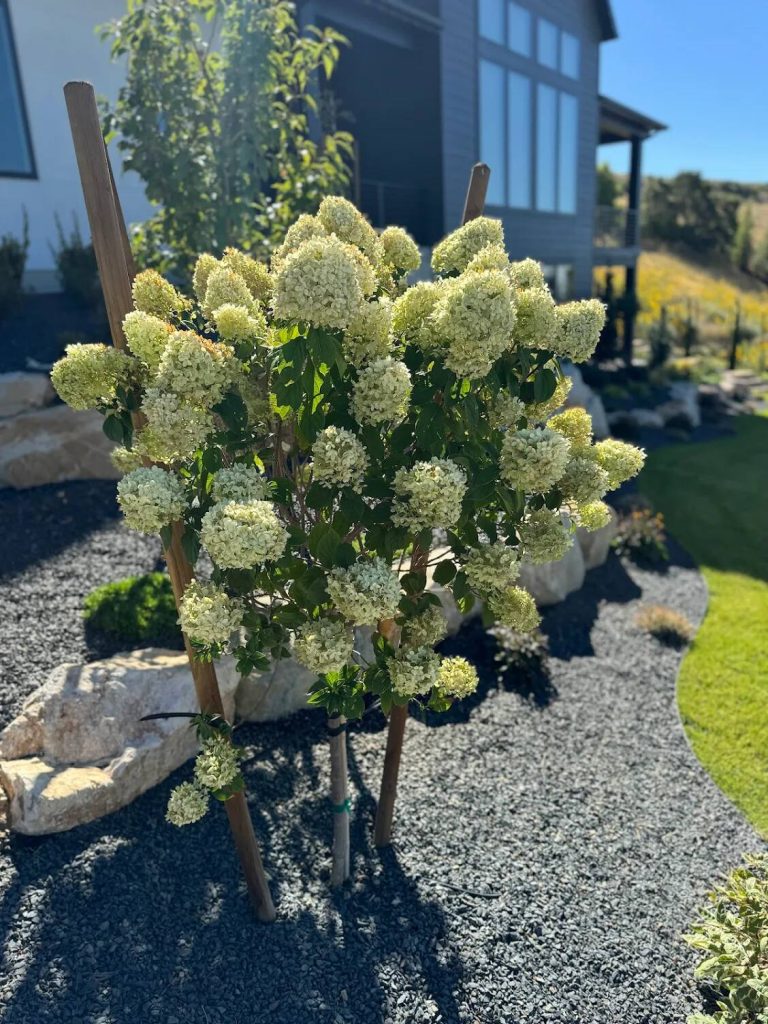
Late April-May: Sod installation, seeding, planting, landscape bed prep
May-September: Hardscaping (patios, retaining walls, outdoor kitchens), major landscape installations, irrigation system installs
September-October: Fall aeration, overseeding, tree planting, fall cleanup
October-November: Irrigation winterization
If you’re planning multiple projects, think about logical sequencing. You don’t want to install beautiful new sod and then drive heavy equipment over it to build a retaining wall two weeks later. When we plan projects in January, we can map out the whole season so everything happens in the right order.
Questions to Ask Yourself
What’s your biggest outdoor frustration? Is it:
- Dead spots in your lawn every summer
- Water pooling after rainstorms
- No shade in your backyard
- An irrigation system that’s constantly breaking
- Ugly, outdated landscaping that makes your home feel less valuable
- No real outdoor living space for your family
Rank your priorities. You might not tackle everything in one year, but knowing what matters most helps you invest in the right places first.
Design Work Happens in Winter
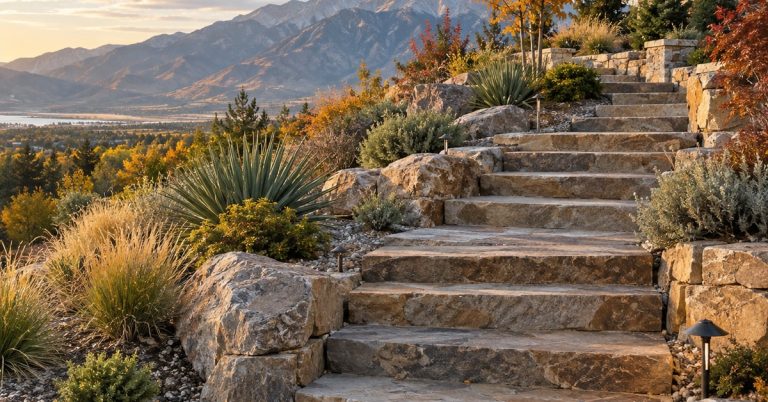
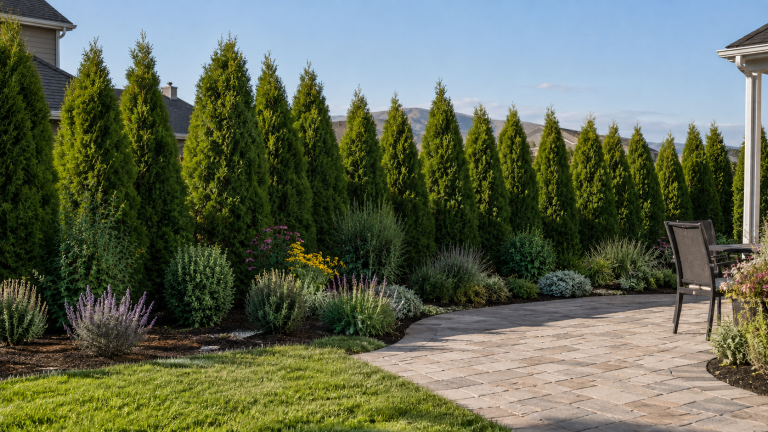
If you’re thinking about a full landscape redesign, hardscape installation, or adding outdoor living features like a fire pit or pergola, winter is design season.
We can create landscape renderings, work through material selections, and fine-tune layouts when we’re not simultaneously managing ten active job sites. You get more attention, more thoughtful design work, and time to make changes before a single shovel hits the ground. You can also browse our project gallery to get a sense of the work we’ve completed across northern Utah and start forming ideas for your own property.
For projects in Hooper, West Point, or anywhere across Davis County, we can also account for specific site conditions—soil type, sun exposure, slope, existing vegetation—that affect what will actually work long-term on your property.
Why Booking Early Matters (And We’re Not Just Saying That)
Here’s the honest truth about landscape company schedules: we can only take on so many projects at once.
Spring is absolute chaos. Everyone wants everything done immediately. Irrigation startups stack up. Spring cleanups pile up. Homeowners who waited until April to think about their landscape are competing with fifty other homeowners who also waited until April.
When you book in January or February, you’re essentially reserving our crew’s time before that rush hits. You get better scheduling flexibility. You’re not stuck with “we can fit you in three weeks from now” when you really needed it done last week.
This is especially true for bigger installations. A new patio or outdoor kitchen isn’t something we can squeeze in on a random Tuesday afternoon. Those projects need planning, material ordering, and dedicated crew time. Booking early means your project gets properly scheduled, not rushed through because we’re trying to cram it in between other commitments.
What Winter Tells You About Your Landscape
Pay attention to how your yard behaves in winter. It’s giving you information.
Where does snow melt first? Those are your warm microclimates—good spots for early-season plants or areas where you might struggle with heat stress in summer.
Where does snow linger longest? Those are your cold spots and shaded areas. You’ll need shade-tolerant plants there, and you should expect slower spring green-up.
How does water move across your property during snowmelt or winter rain? That’s your natural drainage pattern. If it’s flowing toward your foundation or pooling in your lawn, that’s a problem we need to address before next winter.
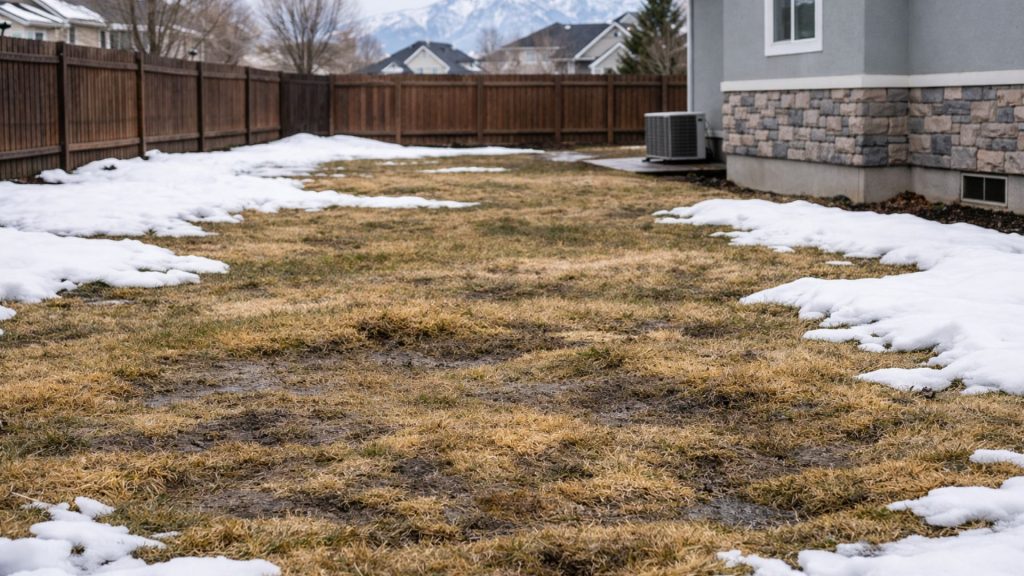
Where do you see dead patches in your lawn after snow recedes? That could be salt damage, snow mold, vole activity, or poor soil drainage. Documenting it now means we can diagnose and fix it appropriately come spring.
Getting Your January Planning Started
You don’t need to have everything figured out to start a conversation with us. In fact, most homeowners we meet with in January have more questions than answers, and that’s completely fine.
What helps is having a general sense of:
- What’s bothering you about your current landscape
- What you wish you had
- Any specific problem areas (drainage, dead grass, damaged trees)
- A rough idea of budget (even a range helps us guide you toward realistic options)
From there, we can walk your property, talk through possibilities, and help you prioritize what makes sense to tackle this year. If you’re thinking about design work for a larger project, we’ll create renderings so you can actually see what we’re proposing before committing to anything.
The homeowners who end up happiest with their landscapes are the ones who give themselves time to plan thoughtfully instead of making rushed decisions under pressure. January gives you that time.
Your landscape doesn’t have to be an afterthought or a source of constant frustration. A little planning now—while the ground is frozen and your weekends are free—sets you up for a yard you’ll actually enjoy all season long.
Our team has been helping homeowners across northern Utah turn outdoor spaces into something functional and beautiful, and we’d be happy to talk through what might make sense for your property. Give us a call at (385) 503-5266 or reach out through our website. Let’s figure out together what your yard could look like by summer.