Belgard Pavers in West Point, UT: Why Patio Failures Start Below Grade
It usually starts with the lawn. You finally pull the trigger on sod installation in West Point, UT, the fresh turf goes down, the yard looks clean and green, and then you turn around and look at the patio. Suddenly the cracked concrete, the sunken stepping stones, or the old stamped slab you have been ignoring for three years looks worse than ever. The contrast does that. A sharp, healthy lawn draws your eye to everything around it that does not match. West Point sits on clay-heavy soil that shifts with every freeze-thaw cycle, and that movement tends to accelerate patio deterioration in ways that are easy to overlook until a fresh lawn puts the damage on full display. That is the moment most homeowners in West Point, UT start researching belgard pavers west point utah, and honestly, it is one of the better problems to have, because it means you are finally ready to fix it the right way.
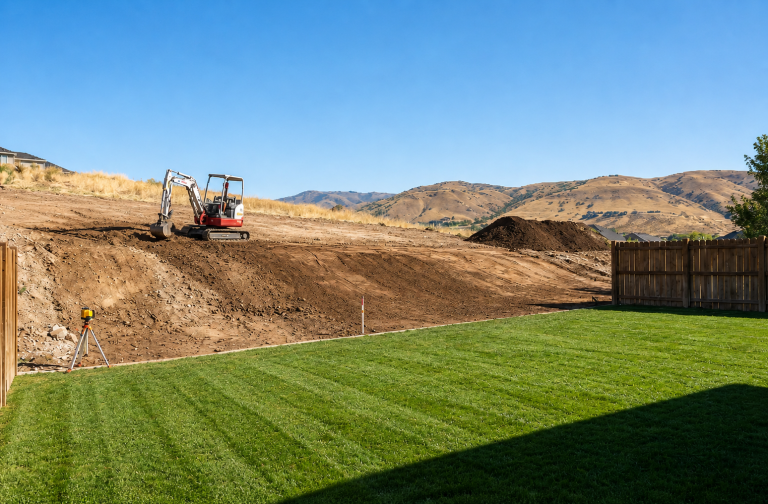
What we hear from homeowners at this stage is usually some version of the same thing: “I just wanted to redo the grass, but now I can see the patio has to go too.” That is not a coincidence. Sod installation involves grading, edging, and sometimes adjusting soil levels, and all of that work around the perimeter of a patio makes existing problems impossible to ignore. Edges that were buried or hidden by overgrown turf get exposed. Low spots that collected water become obvious. Concrete that was already cracking gets disturbed further. The lawn project becomes the catalyst for a bigger conversation about the entire outdoor space.
The good news is that this is exactly the right time to address it. You already have crews working in the yard, the soil is being evaluated, and spring in Northern Utah is the ideal window to start a hardscape project before summer heat sets in and schedules fill up. If you have been thinking about belgard pavers west point utah, April is the month to move on it.
What Causes Pavers and Patios to Fail in the First Place
The short answer is the ground underneath them. Resources from the EPA Soak Up the Rain program echo the same point from the drainage side: if water management is wrong, surface materials will eventually show it. Paver failure is almost never about the pavers themselves. Belgard makes an extremely durable product. The problem is almost always the base preparation, and in Northern Utah, that means dealing with clay soil that expands when it absorbs moisture and contracts when it dries out. That constant movement heaves pavers up, creates gaps, and causes edges to sink or shift. A patio that was installed without the right compacted gravel base, without proper drainage, and without adequate edge restraints is going to fail regardless of how good the surface material is.
We also see a lot of damage from freeze-thaw cycles. West Point sits at an elevation where winter temperatures drop low enough to freeze moisture in the soil, and that expansion pushes pavers out of alignment year after year. By the time spring arrives, what looked like a minor wobble in October has turned into a tripping hazard by March. If your patio has been doing this for more than a couple of seasons, patching individual pavers is not going to solve it. The base needs to be addressed.
Why This Problem Is So Common in West Point, UT
West Point sits in the Davis-Weber County corridor where the soil composition tends to run heavy in clay, especially in neighborhoods closer to the Wasatch Front foothills and the lower-lying areas near the Great Salt Lake basin. That clay holds water longer than sandy or loam soils, which means the freeze-thaw damage we described above is amplified here compared to areas with better-draining ground. A paver patio installed by a crew that does not account for local soil conditions is going to have a much shorter lifespan than one installed with proper base depth and drainage built in.
This is also a relatively young community with a lot of homes that were built in the last 15 to 20 years. Before any excavation starts, homeowners should also make utility locating part of the plan through 811, especially when the patio ties into irrigation, lighting, or older service runs. Many of those homes had basic concrete patios poured during construction, and those slabs are now at the age where they start showing significant wear. Homeowners are arriving at the same conclusion at the same time: the original patio was never meant to be permanent, and now is the time to replace it with something that actually lasts. That is a big part of why we get so many calls about belgard pavers west point utah this time of year.
Common Mistakes to Avoid with Paver Installation
The biggest mistake we see is treating paver installation as a DIY weekend project. The surface work looks manageable, but the base preparation is where most homeowners underestimate the scope. Insufficient base depth, skipping the compaction steps, and using the wrong sand type for the setting bed are the three most common errors, and any one of them will cause problems within a season or two in this climate.
Another frequent mistake is ignoring drainage before the project starts. If your yard has a grading issue or a low spot that collects water near the patio area, installing pavers over that problem does not fix it. It buries it. We always recommend evaluating the overall hardscape and drainage situation together before any paver work begins. In some cases, a drainage solution needs to come first.
Finally, do not skip the edge restraints. Pavers that are not properly bordered will migrate outward over time, and no amount of re-sanding will hold them in place permanently without a solid perimeter system.
The Right Fix for Belgard Pavers West Point Utah
A proper Belgard paver installation starts well below the surface. For patios in this climate, that typically means excavating 8 to 12 inches, laying a compacted gravel base in lifts, adding a layer of bedding sand, and then setting the pavers with consistent joint spacing before locking everything in place with polymeric sand. Edge restraints go in along the full perimeter. The grade is set to direct water away from the house and any adjacent lawn or planting areas.
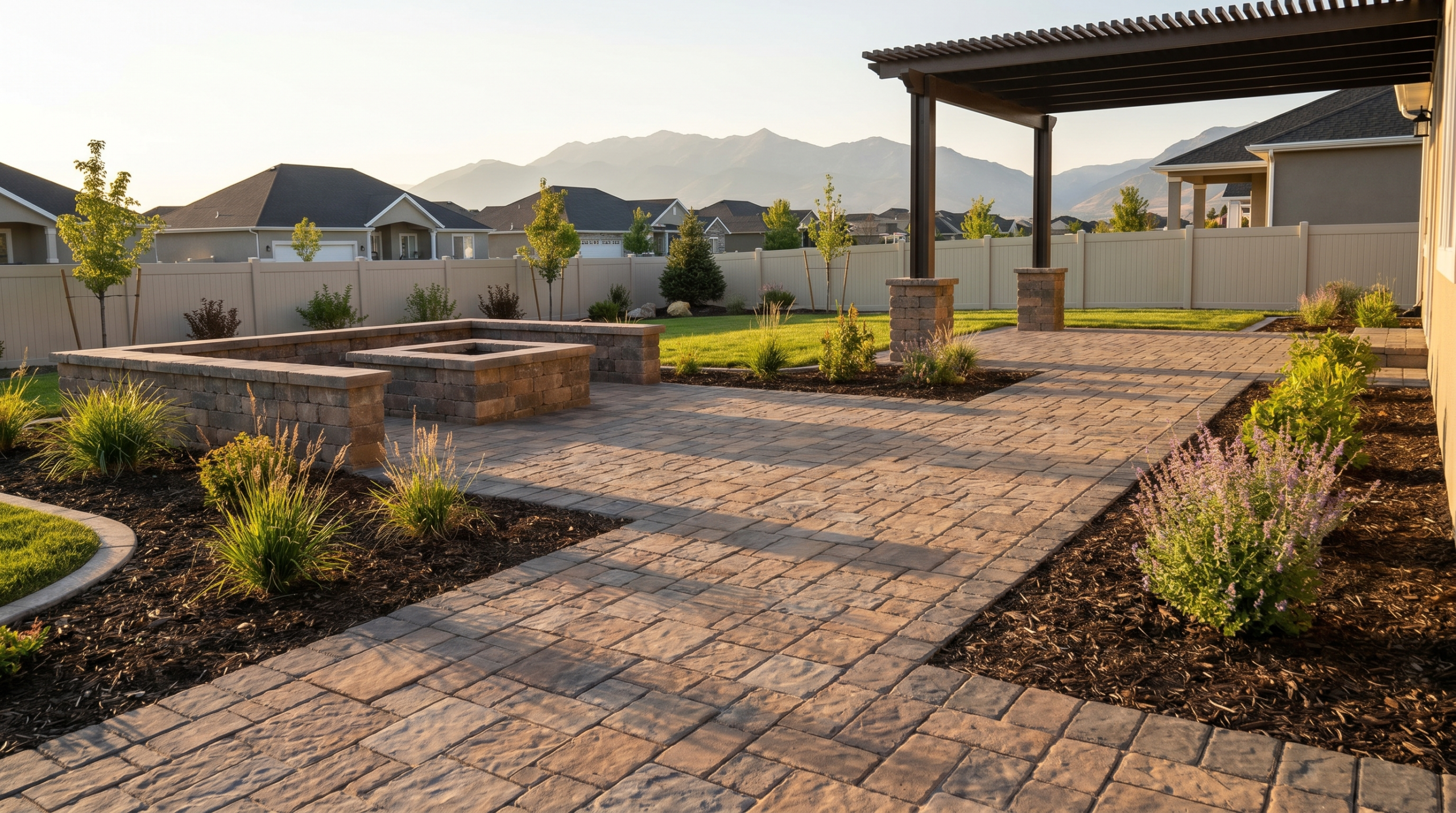
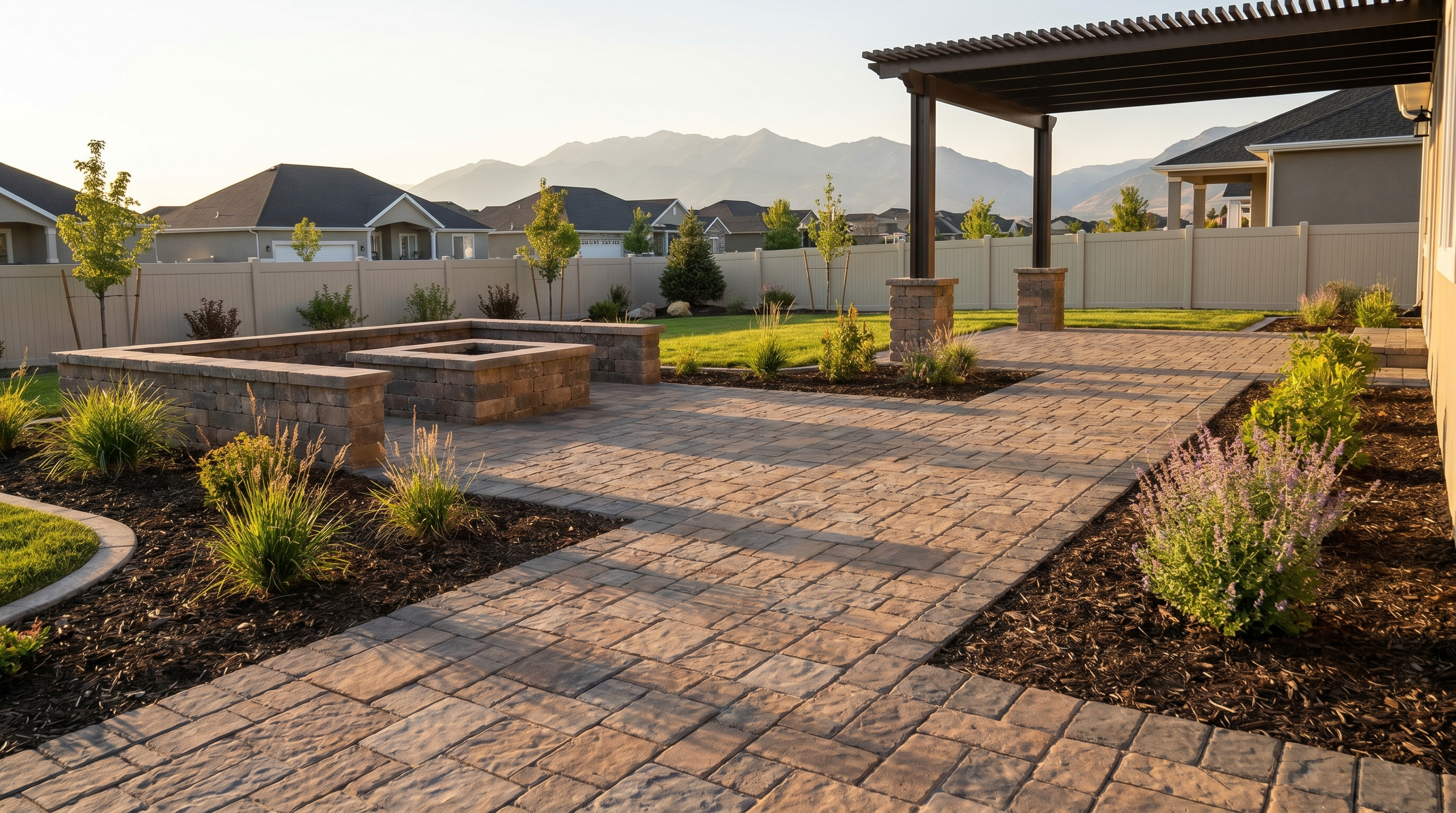
Belgard offers a wide range of styles and textures that work well with the architectural character of homes in West Point, from clean-lined modern profiles to more traditional tumbled finishes that complement brick and stone exteriors. Our team helps homeowners select the right product for their space, their budget, and the way they actually use the area. A patio that gets heavy foot traffic and hosts regular gatherings needs a different approach than a quiet side-yard walkway.
When to Call a Professional Instead of Tackling It Yourself
If your existing patio has more than two or three pavers that have shifted, if you are seeing water pool near the foundation after rain, or if the entire surface has a visible tilt or roll to it, those are signs the base has already failed and the project is beyond a patch job. At that point, the right move is a full removal and reinstall with proper base preparation.
We work with homeowners across West Point and surrounding areas including West Haven and Farmington on projects exactly like this.
If your lawn upgrade made the patio problems impossible to ignore, talk with Sand Dogs Landscaping about rebuilding the surface the right way. We can assess the base, correct drainage issues, and design a paver layout that looks intentional with the rest of the yard instead of patched onto it.